 UNIVERSITAS PADJADJARAN
P012026
UNIVERSITAS PADJADJARAN · INDONESIA
Functional Inorganic Materials and Photocatalysis Research Group.
Advancing inorganic materials for a cleaner and more sustainable future.
Exploring inorganic and hybrid materials for environmental and sensing applications.
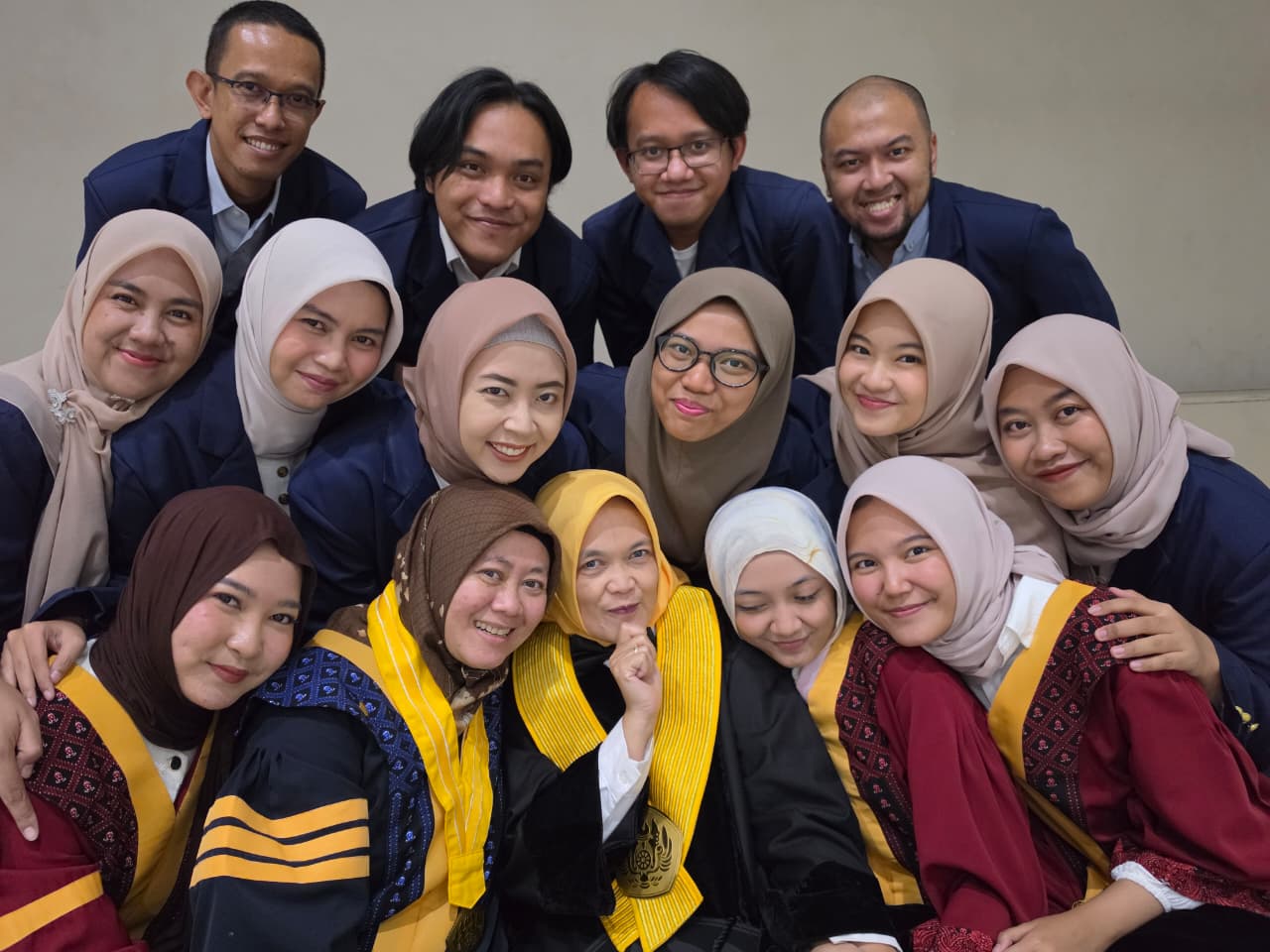
Materials research.
A shared pursuit.
About us
Inorganic materials.
Sustainable possibilities.
The Functional Inorganic Materials and Photocatalysis Research Group (FIMP Group) explores inorganic and hybrid materials for a cleaner and more sustainable future. We connect synthesis and structural modification with environmental remediation, functional surfaces, chemical sensing, selective separation, and sustainable energy and chemical conversion.
Photocatalysis is central to our work, alongside piezo-photocatalysis, adsorption, and materials-based sensing. Digital Image Colorimetry (DIC) is a distinctive focus of our sensing research, translating colour responses into quantitative information. Led by Diana Rakhmawaty Eddy, with Muhamad Diki Permana as Senior Researcher, we investigate how material design enables these connected functions.
Discover our approachOur focus
Research directions
01
Environmental remediation
Removing pollutants from water and air
02Self-cleaning & functional materials
Surfaces and materials with useful functions
03Chemical & gas sensing
Digital Image Colorimetry and responsive materials
04Selective adsorption & separation
Controlling molecular uptake and selectivity
05Energy & chemical conversion
Hydrogen production and sustainable catalytic conversion
Featured research
From materials to function.
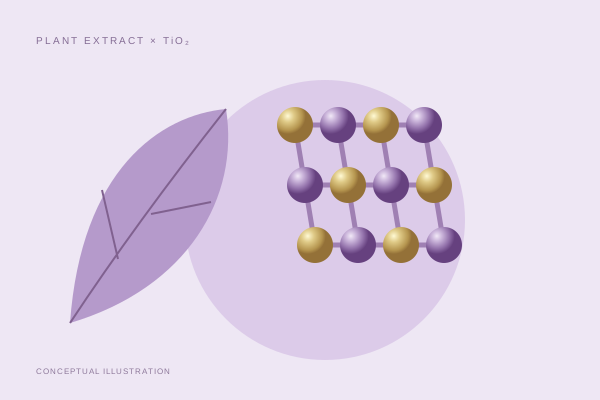 F01 / P01
GREEN SYNTHESIS · TiO₂
Green Synthesis of TiO₂ for Pharmaceutical Pollutant Degradation
We explore red spinach extract as a plant-based aid for synthesizing TiO₂ nanoparticles. Using paracetamol as a model pharmaceutical pollutant, this study examines how calcination changes material properties and improves photocatalytic performance under UV-B irradiation, connecting bio-assisted synthesis with environmental applications.
 F02 / P02
PHASE ENGINEERING · TiO₂
Multiphase TiO₂ Heterojunctions for Visible Light Photocatalysis
We combine anatase, rutile, and brookite TiO₂ with Ag₂O/Ag₂CO₃ through ultrasound-assisted synthesis. The resulting composite improves visible-light photocatalytic performance for metformin degradation. This work investigates how phase composition and heterojunction formation influence light absorption and charge separation in photocatalytic materials.
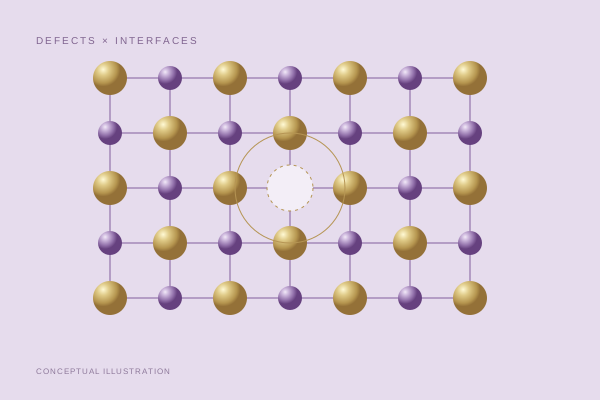 F03 / P03
STRUCTURAL DEFECTS · ZnO/SiO₂
Structural Defects in ZnO Silica Photocatalysts
We investigate how ZnO loading and structural defects influence the performance of ZnO/SiO₂ composites. By connecting structural and optical properties with methylene blue removal, this study highlights the combined contributions of adsorption and photocatalysis and identifies an optimal composition among the materials tested.
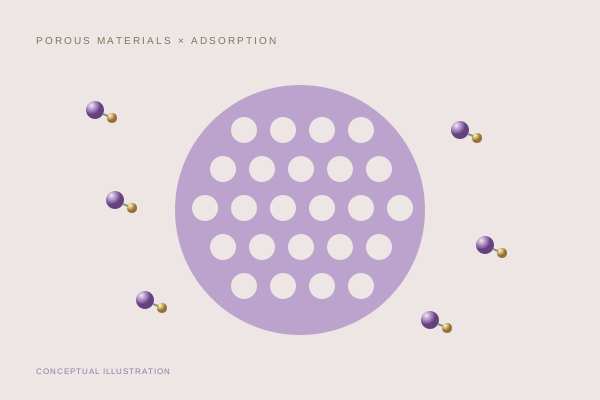 F04 / P04
ADSORPTION · MAGNETIC COMPOSITES
From Rice Husk Ash to Magnetic Adsorbents
We transform rice husk ash into magadiite–magnetite and carbon–magnetite composites for removing anionic surfactants from water. These materials combine adsorption capacity with magnetic recovery, linking agricultural waste utilization with functional material development and the practical separation of adsorbents after treatment.
Selected publications
Recent work, in detail.
Explore selected publications on inorganic materials, environmental treatment, sensing, and functional surfaces.
P022026
P032025
P042025
Our people
The people behind
the research.
Meet the people behind FIMP Group and our research on inorganic materials for environmental, sensing, and energy applications.
Meet the team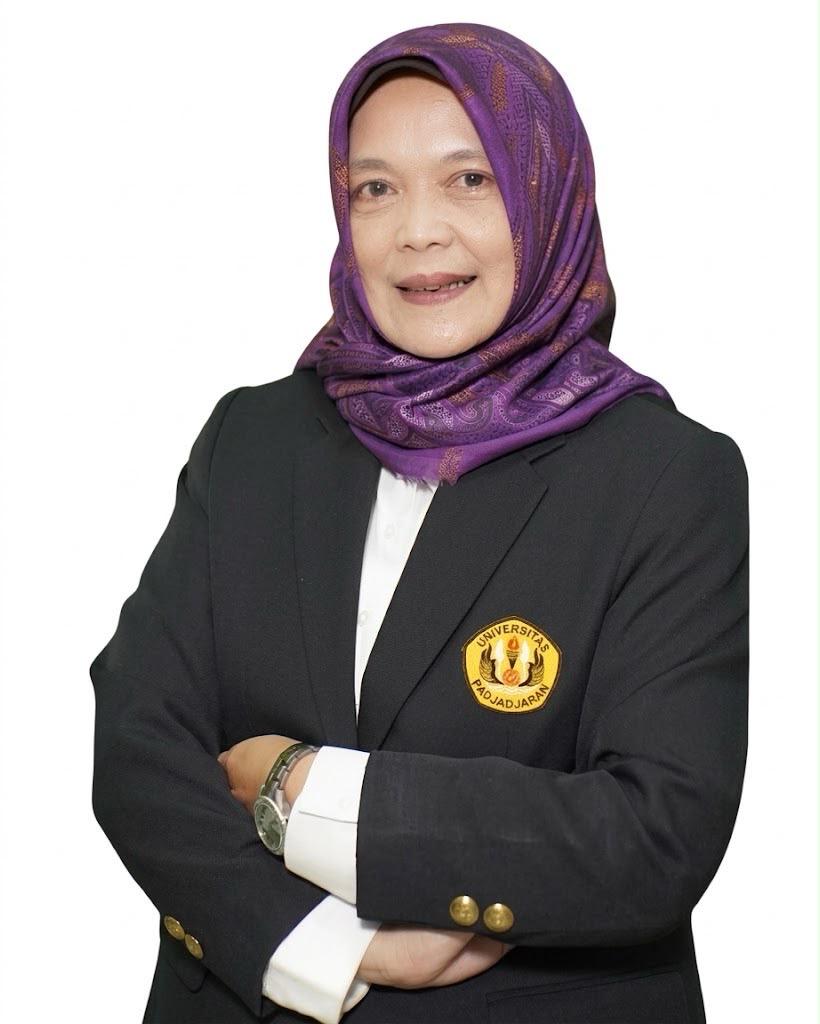 Prof. Dr. Diana Rakhmawaty Eddy, M.Si.
 Muhamad Diki Permana, S.Si., M.Si., Ph.D.
Across institutions
Research connections
A network of researchers connected through joint publications in materials chemistry and environmental applications.
Japan University of YamanashiIndonesia
 National Research and Innovation Agency (BRIN)Indonesia
 Universitas Pendidikan IndonesiaMalaysia
 Universiti Sains Malaysia
University of YamanashiIndonesiaNational Research and Innovation Agency (BRIN)IndonesiaUniversitas Pendidikan IndonesiaMalaysiaUniversiti Sains MalaysiaInstitution names identify coauthor affiliations in shared publications.
News & Activities
Beyond the bench.
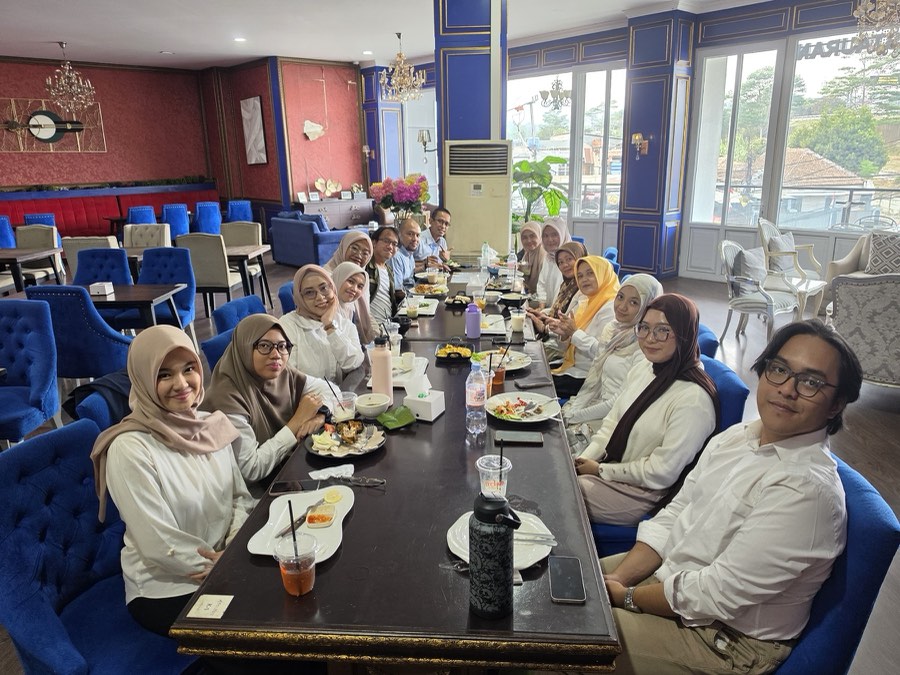
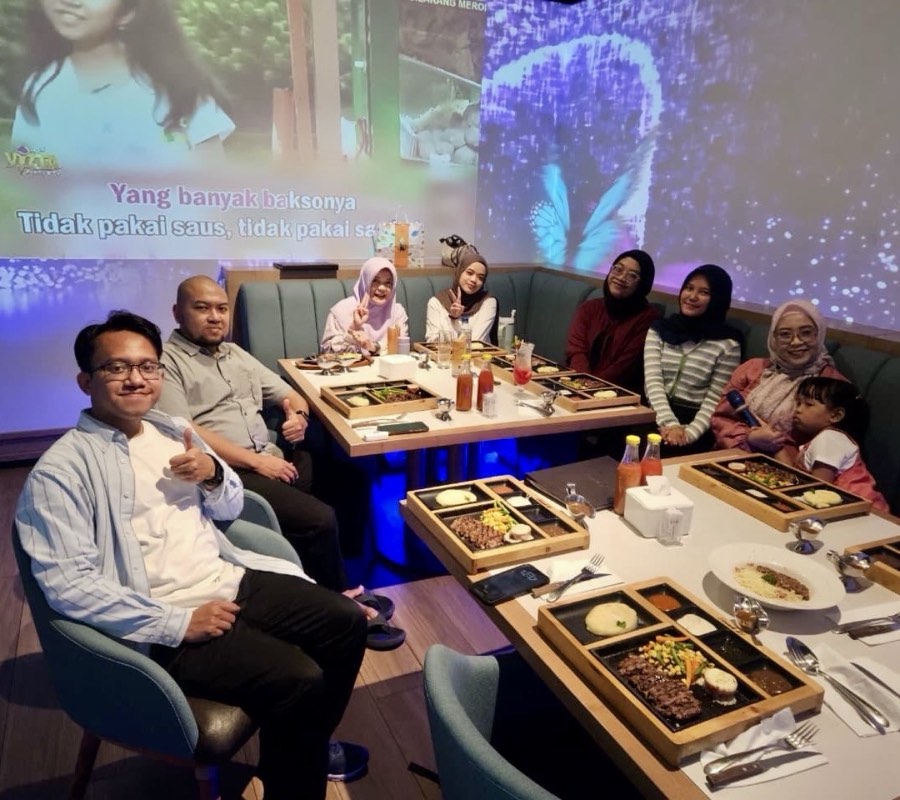
Media credits are shown in each activity gallery.